
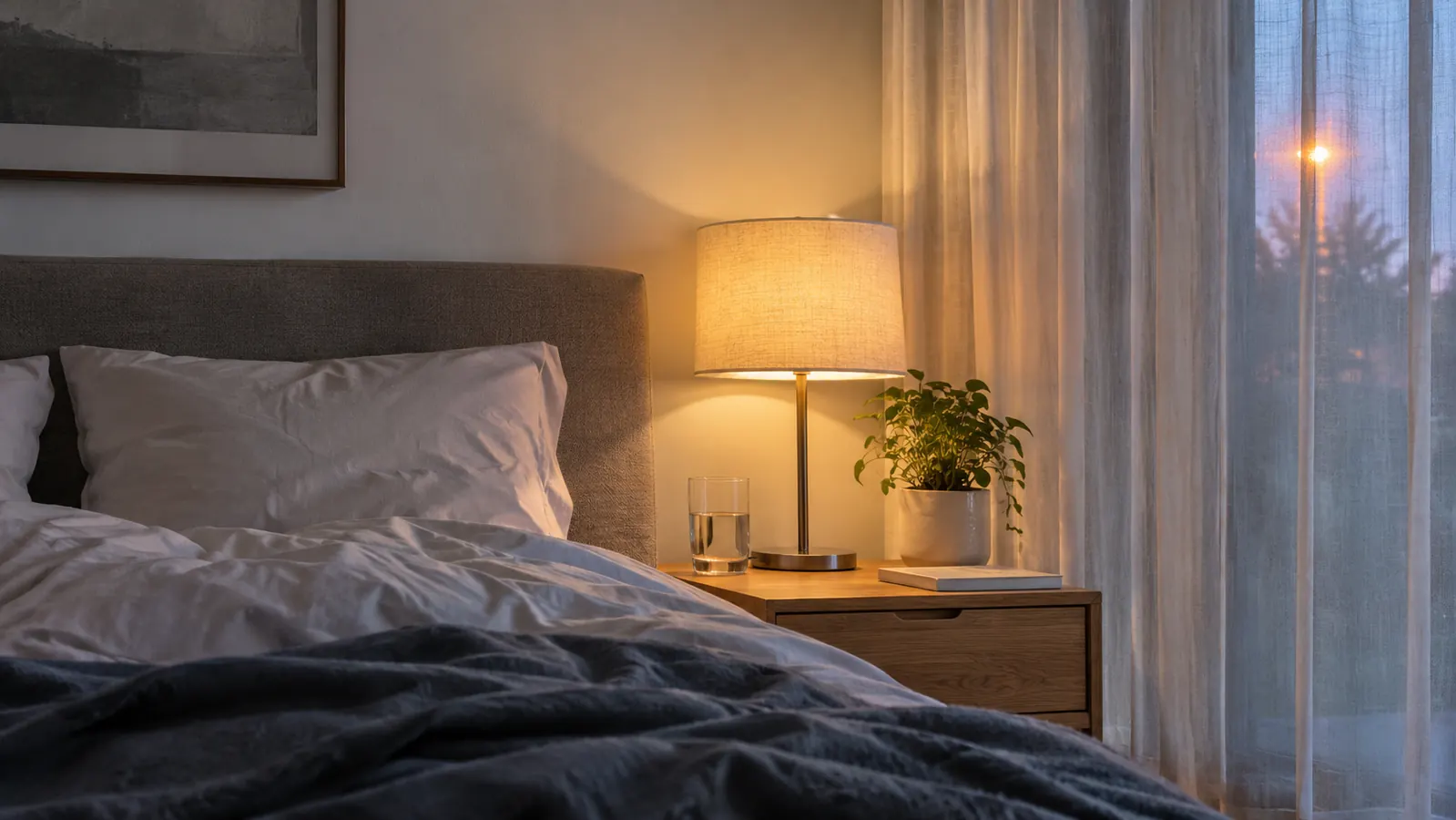
Thirty years of rotating shifts at the paper mill taught me to wake up to a buzzer, and the buzzer never once eased me out of sleep. It grabbed me by the collar. The old digital clock I kept through all those years went off at 4:40 for early shifts and my feet hit the floor with my heart already running. I retired two years ago this fall and kept using that clock, and then I found out the hard way that a bad wake-up does not retire with you. In Green Bay in November the sun is barely a rumor at 6:30 in the morning, and I was still coming awake irritated and foggy and already behind on a day that had not started yet.
Last October I sat at the kitchen table with a yellow legal pad and wrote down the five things that were working against me at night. Noise was first. Light was second. A sore neck was third, overheating fourth, and dark mornings came last. That fifth line is the reason a Philips SmartSleep Wake-up Light HF3520 has been sitting on my nightstand ever since, in the same one Amazon order as the other four purchases. I have used it for about thirteen months now, through one full winter and one full summer, and I can give you a straight answer without the marketing language: it does the one job it claims, it is not a cure for anything, and whether it earns its spot depends entirely on what your mornings actually feel like.
The Quick Verdict
The sunrise does more for my mornings than the sound does, and the sound does more than the radio ever will. A useful lamp with one real limitation: it fights my sleep mask for my face, and the mask sometimes wins.
Amazon Check Today's Price →If your 6:30 already feels like a small punishment, start here
The light begins coming up at 6:00 and the birds arrive at 6:30. It will not make you sleep better. It makes getting up less of a fight.
Amazon Check Today's Price on Amazon →How I've Used It
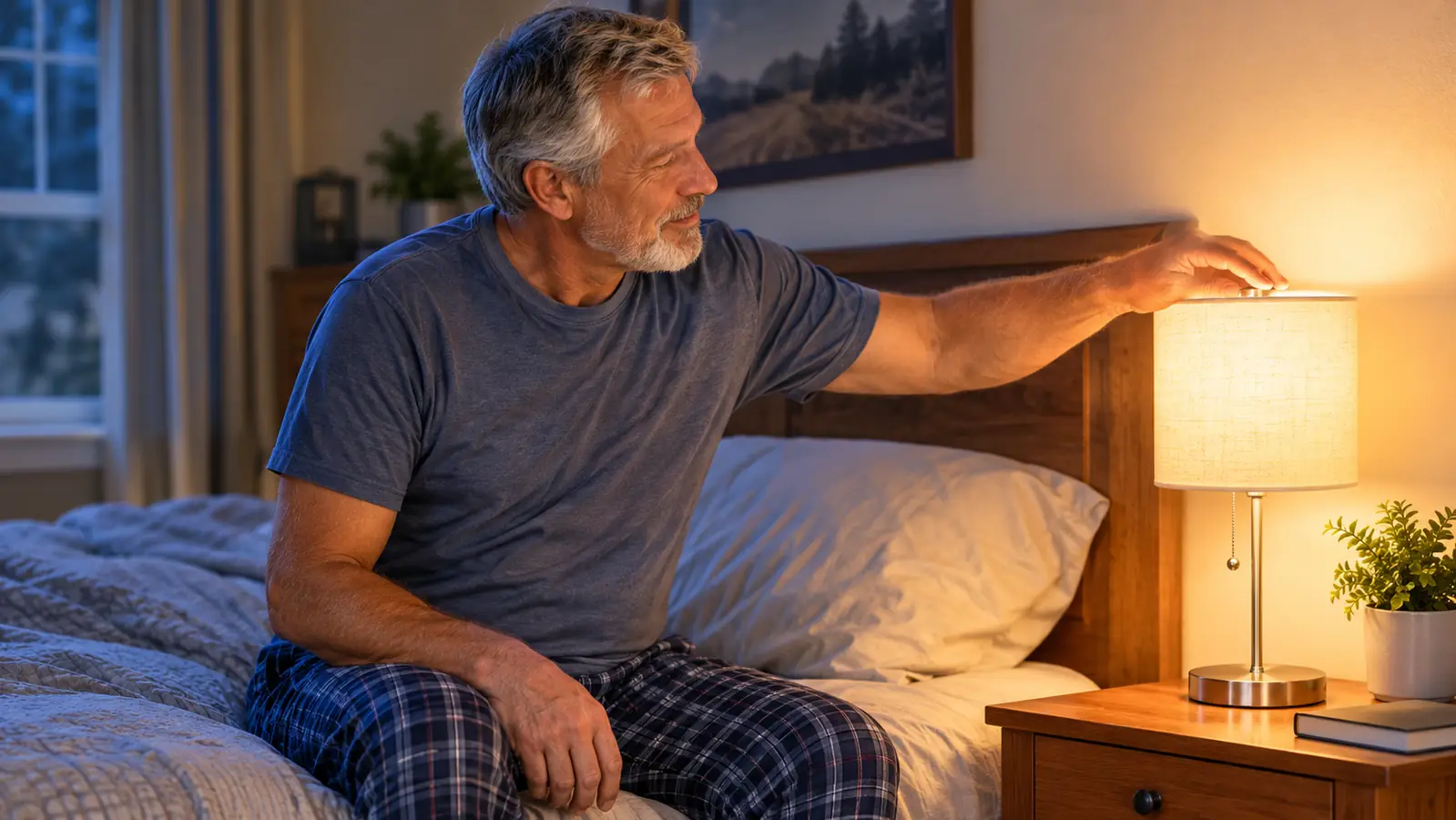
The lamp has sat in the same spot on my nightstand since the day it arrived and it has not moved since. I set the alarm for 6:30, the sunrise starts at 6:00 and builds for that half hour, and the bird sound comes in at the half hour mark. I picked the birds out of the five sounds it offers on the very first night and I have never changed it. It plugs into the wall, so there is nothing to charge and nothing to hunt for in the dark at six in the morning. My wife Joyce gets up later than I do and she turns her face away from the light, which is the whole of her opinion on the subject and about as much as she has ever wanted to say about it.
The first week I mostly noticed the light and not any change in how I felt. The two week mark landed in early November, about as dark a stretch as we get here, and somewhere around then I stopped bracing when the alarm came. That is the honest version and it is not dramatic. I simply stopped starting the day annoyed, and it took a couple of weeks before I noticed that was even true. It has since been through all of the dark mornings of one full winter and it has not worn off on me, which was the thing I actually worried about when I ordered it.
Here is the part that complicates my review, and I would rather tell you than have you find out on your own. I wear a contoured sleep mask, and when I get up around 4 in the morning for the bathroom I leave it on the nightstand. Most mornings it stays there, so the sunrise reaches my eyes the way it is supposed to. But on a morning I sleep straight through with the mask still on my face, the light does nothing at all and the bird sound wakes me instead, same as any alarm in any house. Those two things do not fully work together and I am not going to pretend they do.
What the Sunrise Actually Does
Between 6:00 and 6:30 the lamp comes up gradually, from dark to something that reads like a window with the curtain half open. It is not bright enough to read by at that point and it is not meant to be. What it does is give your eyes something to work with before any sound shows up. If you have spent decades going from pitch dark to a noise, the difference is easier to feel than to describe. My body started treating the light as the beginning of something instead of the interruption of it, and that shift is the entire product.
I want to be careful about what I claim. I am not going to tell you it fixes a sleep problem, because it did not fix mine. My trouble was never falling asleep. It was being yanked out of it. If you are waking three or four times a night, a lamp on your nightstand will not change that, and if sleep trouble goes on for weeks you should see your own doctor rather than buy a gadget. What the light did was narrow and real: it made the last thirty minutes of my night feel less like an ambush and more like a slow arrival.
The 20 brightness settings matter more than I expected, because you can set the lamp to land where you want it instead of wherever it happens to fall. I keep mine high enough that the room is genuinely lit by 6:30 and low enough that Joyce is not blinking at a landing strip. The display dims itself through the night, so the clock face stays out of the way.
The Five Sounds, the Snooze, and the Rest of It
The Philips unit gives you five natural sounds to wake to. I picked the birds and I have stuck with them. It is a recording and not a real dawn chorus, and after thirteen months I can hear the loop if I sit there listening for it, which was the same complaint I had about the cheap drugstore sound machine in my closet. But the point of a wake sound is not to entertain you. It is to be gentle enough that you come up out of sleep instead of being launched out of it, and the birds do that better than anything I have woken to before.
Snooze is a tap on the top of the lamp. I have hit it maybe a dozen times in thirteen months, which tells you more about the mornings now compared to the mornings before than any description I could write. I use the sunset setting a couple of times a month, mostly in the winter when I want the room to wind down before I do. The FM radio I turned on exactly once to see that it worked, and then I turned it off. Somebody will use it. It was never going to be me.
The reading lamp is the piece I did not expect to care about. With 20 brightness settings you can bring it down to something soft enough to read by without waking the other side of the bed, and I use it that way most nights. It is not the reason to buy the thing, but it is the reason it does not feel like a single-purpose gadget that takes up a square foot of nightstand for one job a day.
Where It Fell Short
It takes up a lot of nightstand. This is a real bedside lamp with a real footprint, and if your side of the bed is already crowded with a water glass, a mask and a book, you will feel it. It also costs more than a plain clock by a wide margin, plainly, and I am not going to dress that up as anything else. The question I asked myself before I ordered was whether I would pay that for better mornings. After thirteen months my answer is yes, but that is my answer and not a promise about yours.
The bigger limitation is the one I mentioned earlier. The lamp and my mask work against each other. On the mornings the mask stays on all night I get the sound and not the sunrise, and the sound by itself is just a nicer alarm. If you wear a mask every night and never take it off, know that going in. You would be paying for the light half of this product and using only the half that any alarm can do, which is a poor trade no matter how good the lamp is.
It also does not do the rest of the job. It will not make you fall asleep faster. It will not stop the furnace from thumping when it kicks on, and it will not dim the streetlight outside my window. Those were separate lines on my list and they needed separate answers. Buying this lamp and expecting your whole night to change is how people end up disappointed and writing one-star reviews about a product that is doing exactly what it was built to do.
What I Liked
- The 6:00 sunrise turns a 6:30 alarm into a gradual arrival instead of an ambush
- Five natural wake sounds, and the birds are gentle enough to come up out of sleep to
- Tap snooze on the top of the lamp, no fumbling for a button in the dark
- Dimmable display and 20 brightness settings make it a genuine bedside reading lamp
- Plugs into the wall, so there is nothing to charge and nothing to lose track of
Where It Falls Short
- Big footprint for a nightstand, and heavier than it looks in photos
- Costs more than a plain alarm clock by a wide margin
- Does almost nothing if you sleep in a mask that blocks the light
- The FM radio is there and I have never found a use for it
- The wake sound is a recording and you can hear the loop repeat if you listen
Somewhere around two weeks in, early November, I stopped bracing when the alarm came. Nothing dramatic. I just stopped starting the day annoyed.
How It Compares to the Buzzer in My Drawer
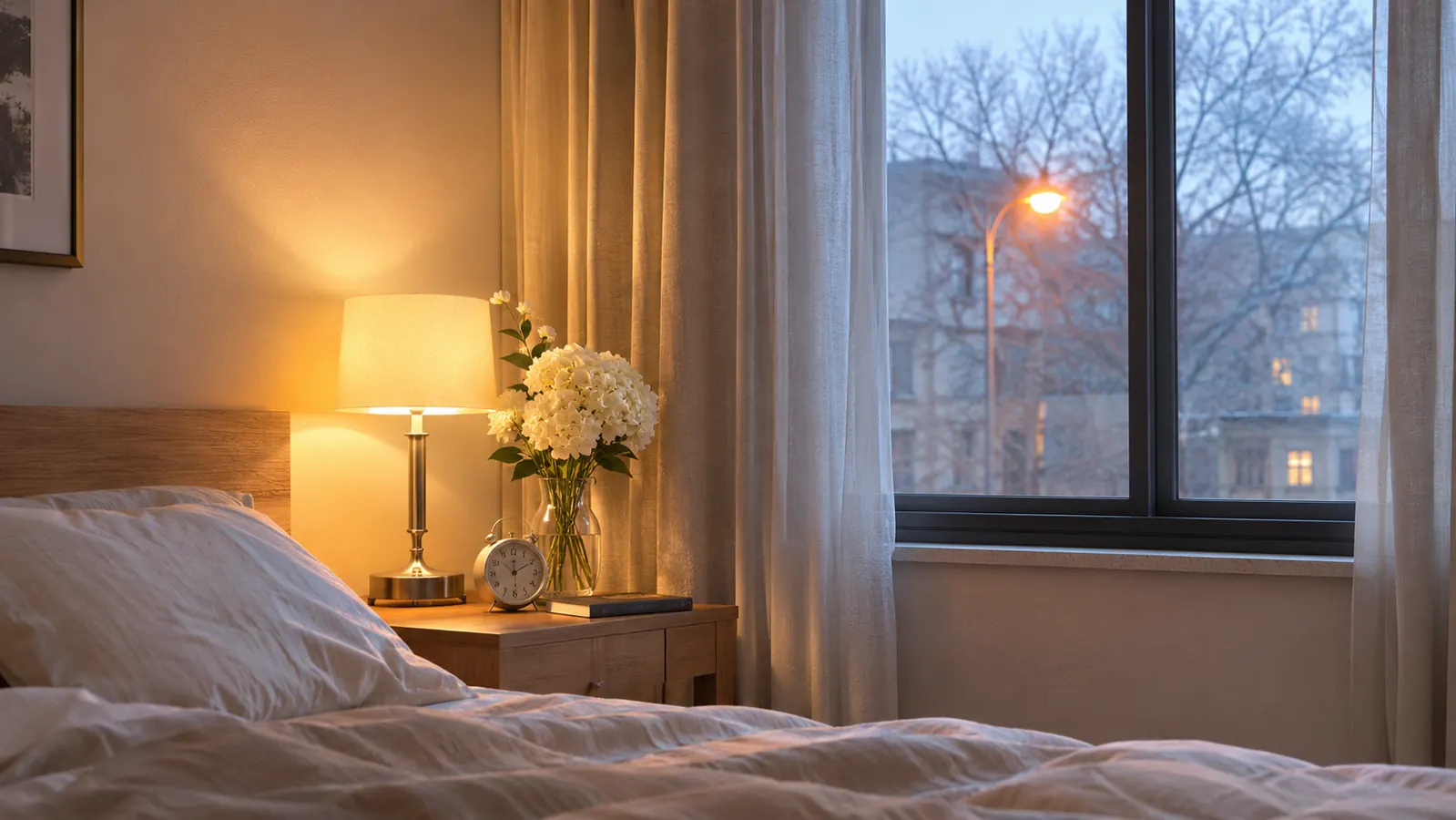
My old clock is still in the drawer and I have not once been tempted to take it out. That is not a fair fight, because that clock did one thing and did it harshly. The fair comparison is what actually changed. Before, 6:30 was a single instant: dark room, then noise, then me upright and irritable. Now 6:30 is the end of a half hour that started quietly at 6:00, and by the time the birds come I have already been half awake for a while. Same alarm time. Completely different event.
The other difference is at the other end of the day. The old clock had no use after the alarm. The Philips is a lamp I read by at night, at a brightness I choose, with a display that gets out of the way. I did not buy it for that and I would not tell anyone to buy it for that alone, but it means the object is not sitting there useless for fifteen hours a day. In a small bedroom that counts for something.
Who This Is For
If your problem is the waking up, this is aimed at you. You go to bed at a decent hour, you sleep most of the night, and then 6:30 arrives like a small punishment, especially from November through March. You are the person this lamp was built for, and the difference shows up in about two weeks. You do not need an app, a subscription, or a new routine. You need the room to start getting light before something makes a noise at you.
It also suits anyone who reads in bed, because the 20 brightness settings turn it into a real bedside lamp and it earns its footprint twice a day instead of once. And it suits a couple where one person gets up earlier, as long as the later sleeper will turn away from the light. Joyce turns her face away and has never complained about it, which from her is a strong endorsement of just about anything.
Who Should Skip It
If you sleep in a mask and leave it on until morning, skip this or change how you use the mask. You would be buying a sunrise you never actually see, and that is not a knock on the lamp. It is arithmetic.
Skip it too if what you actually need is to stop waking at 3 in the morning. That was part of my bad year and no lamp on earth touches it. A darker room, a quieter room and a conversation with your own doctor are the answers there, in whatever order your situation calls for. And if your nightstand has no room to spare, measure before you order, because this takes up more of it than you are picturing right now.
The half hour before your alarm is the part worth fixing
Sunrise from 6:00, birds at 6:30, a reading lamp for the other end of the day. Thirteen months in, I would buy it again.
Amazon See the Philips SmartSleep HF3520 on Amazon →